
The Year Your Business Finally Gets Ahead – Why 2026 Needs a Real Plan, Not Just Good Intentions
Small businesses rarely fail because owners lack effort. Most fail because they lack direction.
Every year, especially in December, business owners tell themselves the same things.
Next year will be different.
They will finally get organized.
Processes will improve.
Growth will happen.
But without a real plan, next year looks exactly like the last one. The same problems resurface, the same stress returns, and the same firefighting continues. The calendar changes, but the business does not.
If 2026 is going to be different, it needs more than motivation. It needs a strategic, measurable, and realistic plan that gives the business clarity and gives the owner space to lead.
Start With Clear, Measurable Goals
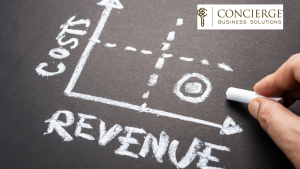 A strong plan begins by defining what success actually looks like.
Vague goals like “make more money” or “grow the business” offer no guidance. Clear goals do. Every small business should define objectives in three areas.
First, revenue goals. These should include specific targets and timelines rather than general aspirations.
Second, operational goals. This might mean improving response times, reducing rework, documenting processes, implementing new tools, or adding the right support.
Third, personal freedom goals. These are often overlooked, but they matter most. Fewer hours, less stress, better delegation, and more balance are not luxuries. They are indicators of a healthy business.
When goals are clear, decision making becomes easier. Without them, businesses drift and owners stay reactive.
Plan Marketing Before You Need It
Many small businesses treat marketing as something to do when work slows down. This approach keeps them stuck in cycles of feast and famine.
Marketing is not optional. It is oxygen.
A real 2026 plan includes a realistic marketing and networking budget that accounts for paid advertising, memberships, community involvement, referral programs, sponsorships, and consistent branding. Businesses that plan their marketing grow steadily. Businesses that wait until things slow down stay trapped in reaction mode.
Consistency matters more than intensity. A modest but intentional marketing plan will outperform last-minute panic every time.
Use Technology as a Competitive Advantage
 Technology is no longer something small businesses can afford to ignore. It is often the difference between constant overwhelm and sustainable growth.
A strong plan addresses how the business will handle scheduling, client communication, automation, documentation, payments, and reporting. Without systems, time is wasted solving the same problems repeatedly. With the right tools, businesses create leverage and free up mental space.
Technology does not replace people. It supports them.
Build Processes That Reduce Stress
You cannot scale chaos.
If a business depends entirely on one person’s memory, presence, or ability to fix emergencies, burnout is inevitable. Processes are what turn effort into consistency.
Documented workflows, communication templates, standardized systems, checklists, and clear delegation pathways create reliability. Reliability builds trust with clients and within teams. Trust is what allows growth to happen without constant pressure.
Turn Growth Ideas Into Priorities
Most business owners have a long list of ideas they plan to tackle “someday.” New services, hiring, partnerships, improved client experiences, or new offerings.
In 2026, someday needs a date.
Growth projects become manageable when they are broken into steps, assigned timelines, and supported by accountability. Planning transforms overwhelm into action and prevents good ideas from becoming sources of stress.
The Most Important Step Is Simply Having a Plan
Small businesses do not need complicated strategic binders. They need clarity, alignment, priorities, and a roadmap.
Planning is not about predicting the future. It is about preparing for it.
When a business knows where it is going, the owner can finally lead instead of chase. Decisions become intentional rather than reactive. Growth becomes sustainable rather than exhausting.
If 2026 is going to be the year your business truly gets ahead, the work starts now. Not with pressure or perfection, but with a plan that actually supports the life you want to build alongside the business.
Direction changes everything.
 For years, most small companies have operated with a simple mindset: “We’re not big. We can keep track of things ourselves.” And in the very beginning, that may even be true. When you have only a handful of clients and a predictable schedule, your brain can carry most of the load.
 This was the whole reason we built Essential Elements® — to give concierge, lifestyle, and service-based businesses the operational backbone they’ve never had access to. Not a generic software solution. Not an overbuilt corporate platform. But a workflow system built specifically for the realities of small service businesses: the speed, the personalization, the constant moving parts, and the need for reliability every single day.